
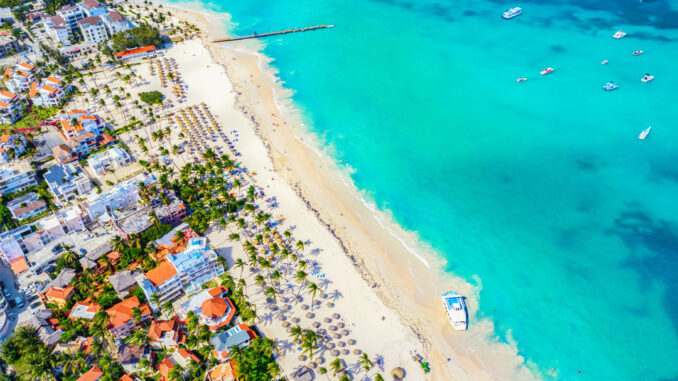
A Caribbean treasure trove of island charms.
When Christopher Columbus first set foot on the land now known as the Dominican Republic, his emotions were likely mixed. It was 1492 and the Spanish explorer was on a mission to find an overseas route to China, Japan and India, places known to possess riches in gold, silk and spices. At first sight, he would have realized with disappointment that this sun-splashed island in the Caribbean was not the destination he had sought. On the positive side, this newfound land was a splendid piece of terra firma with magnificent beaches, lush tropical forests and towering mountains. In fact, he thought the place so impressive that he famously stated that it was “the most beautiful land that human eyes have ever seen.” Not surprisingly, Columbus claimed the land for Spain and thus began the long, colourful and sometimes wrenching history of the island he named Hispaniola. Today, it is shared by the independent countries of Haiti in the west and the larger Dominican Republic in the east.
Centuries later, the Dominican Republic ‒ commonly referred to as “the DR” ‒ has become the most-visited tourist destination in the Caribbean, welcoming more than 11 million sun-seeking vacationers a year. In fact, numbers show that it outstrips all others in the Caribbean region ‒ sometimes by a wide margin. My own experiences there made it easy to understand the island’s winning popularity. What I found most compelling is that it’s a vacation destination that truly has it all: spectacular beaches, mountain retreats, awesome seaside resorts, championship golf, colonial history museums, Spanish architecture, endless water sports and more. For snowbirds, the DR also has an abundance of long-term-stay properties ranging from oceanside condos to city apartments and mountain villas. The island’s attraction is further sweetened by its reputation as one of the most affordable in the Caribbean.
The DR has come a very long way since Columbus arrived there purely by accident. Today, the island’s breathtaking beauty and natural bones are the foundation on which the Caribbean’s most-visited vacation destination was built. Beginning with the island’s three main cities, the following is a limited selection of what this sunshine getaway has to offer.
Santo Domingo
Founded in 1496 by the brother of Columbus, this is the Dominican Republic’s capital city. Lying on the island’s southeast coast, it ranks as the oldest, continuously inhabited European settlement in the Americas. Designated a UNESCO World Heritage Site, there is plenty to see and do in this city of more than four million Dominicans. A must-see attraction is the city’s Colonial Zone, a virtual open-air museum featuring 300 Spanish colonial buildings scattered among ancient cobblestone streets. Today, the city’s centuries-old buildings co-exist with modern structures including shopping centres, boutiques, souvenir shops, restaurants and street vendors. In the heart of the district is the imposing Fortress Ozama built by the Spanish in 1502 for protection against pirates and other invaders. A complete history of the island’s colonial era can be explored at the Museum of the Royal Houses. Overall, it’s a city that uniquely blends old-world attractions with such modern-day features as a baseball stadium and casinos. Santo Domingo’s Columbus Park is the site of frequent festivals and cultural events.
Punta Cana
With more than 30 miles of white-sand beaches, this premier resort town on the easternmost tip of the island is the DR’s most renowned tourist destination. It features all-inclusive, world-class resorts ‒ the type that regularly attracts the rich and famous such as former U.S. President Bill Clinton, Michael Douglas, Jennifer Lopez and others. While its selection of luxury resorts can be pricey, there are also plenty of affordable options. Overall, it’s a place that oozes indulgence: spectacular beaches, ultimate gastronomy, luxury spas, endless water sports, championship golf and VIP yacht charters. In addition, downtown Punta Cana is famous for its buzzing nightlife: nightclubs, Vegas-style shows, authentic Dominican music, a lively casino scene, dance and disco clubs, plus premier rum and cigar bars.
Puerto Plata
Known as the birthplace of DR tourism, this vibrant town on the north coast of the island blends colonial history with miles of golden sand beaches dotted with all-inclusive resorts and oceanfront hotels. Flanked by a lush mountain range, the city offers an endless variety of entertainment options both on land and sea: water sports, mountain hiking, cultural tours, authentic Dominican dining and a vibrant nightlife. In addition, the city’s historical centre is renowned for its late 19th-century architecture characterized by more than 150 pastel-coloured buildings, creating a unique Caribbean-Victorian vibe. Nevertheless, its Spanish colonial past remains a continuous presence. Of particular note is the city’s San Felipe Fortress, a 16th-century battlement originally built to protect the island’s northern coast from pirates and privateers. Overall, Puerto Plata tends to be more budget-friendly than Punta Cana and tends to offer visitors a more authentic Dominican experience.
Fore Golf
The DR is a premier golf destination with more than 25 courses, many of them famous for dramatic oceanside fairways designed by such masters as Pete Dye, Jack Nicklaus and Robert Trent Jones. Overall, the collection ranges from world-class luxury resort courses to country club-style tracks. Generally rated the No. 1 course in the Caribbean is the iconic Teeth of the Dog, featuring seven stunning holes running alongside the edge of the southern coast. Designer, Pete Dye claims that he had help designing the course when he said, “I created 11 holes and God, the other seven.” Dye did not stop with Teeth of the Dog. In fact, he went on to design another DR masterpiece named the Dye Fore Golf Course. This time, he veered away from the ocean creating a 27-hole mountainside track set high on the cliffs west of Punta Cana with sweeping views of the Caribbean. In total, the island’s remarkable golf collection is often called the “Golf Mecca” of the Caribbean. With courses spread across the island, golf is never far away. Moreover, the cost to play them ranges from moderate to high end.
Yo-Ho-Ho and A Bottle of Rum
Early Dominican rum was once called kill-devil and demon water for its harsh unrefined taste. Today, those terms are history since island rum has achieved worldwide recognition for its smooth, rich character. In fact, the island is among the most respected rum-producing countries in the world. Not surprisingly, the once maligned demon water has become an island tourist attraction. Across the country, there are endless opportunities to enjoy this distilled spirit made from fermented sugar cane. It’s widely found in resort bars, beachfront shacks, distillery tours, restaurants, rum tours, cigar lounges, cocktail bars and more. W.C. Fields once wrote that “all roads lead to rum.” True or not, at least one of them leads to the DR.
Carnival Season
The country’s famous annual Carnival is a massive, month-long cultural festival celebrated each February in towns and cities across the island. It features vibrant street parades, elaborate costumes, traditional masks, pulsing music, folkloric dancing and large military shows. Parades and festivities take place every Sunday in February, culminating in a month-end finale in the nation’s capital of Santo Domingo. Overall, Carnival is a happy celebration of the country’s diverse historic mosaic of European, African and indigenous Taino roots.
Altos De Chavon
This replicated, 16th-century Mediterranean village is constructed of local coral stone and terra cotta. Located within the grounds of the massive, 7,000-acre Casa de Campo luxury resort on the island’s southeastern coast, Altos De Chavon is a premier tourist attraction. The village opened in 1982 and since then, people have enjoyed exploring its network of cobblestone streets, its period architecture and a huge Grecian-style amphitheatre in which such world-famous artists as Frank Sinatra and Placido Domingo have performed. In addition, various shops, fine dining and bars line the streets made for strolling. Another village feature is an archaeological museum housing one of the DR’s most comprehensive collections of indigenous culture. Although the village was built as a replica, it genuinely bears the authenticity of a true centuries-old settlement.
Water, Water Everywhere
Globally famous for wind, waves and a plethora of colourful marine life, the DR is a prime Caribbean hub for water sports: windsurfing, kiteboarding, jet skiing, parasailing and snorkelling. It’s also an ideal destination for scuba diving; the waters are warm year-round and the diversity of marine life includes 800 varieties of fish species. Divers can spot sea turtles, seahorses, stingrays, moray eels, nurse sharks and parrotfish ‒ not all in the same dive, of course ‒ but they all exist in the island’s underwater environment. The diving experience can also include coral beds and shipwrecks. The DR’s off-island waters contain centuries of maritime history including sunken pirate vessels, Spanish galleons and modern ships intentionally sunk to encourage marine life. Among the many vessels that litter the seabed off of the country’s coast is the remains of Captain William Kidd’s 1699 pirate ship. There is also the San Miguel, a 16th-century Spanish treasure ship that went to the bottom in 1551. Over the years, there have been various accounts of divers fortuitously discovering such sunken treasures as gold, silver and pewter. However, all artifacts found in Dominican waters belong to the state. Beyond shipwrecks and marine life below the sea, the country has a spectacular, world-class, land-based network of submerged freshwater caves that are popular dive sites.
Deepsea Fishing
Famous author and avid fisherman, Ernest Hemingway set the tone for Caribbean deepsea fishing with his famous book The Old Man and the Sea. His absolute favourite Caribbean fishing spots were the waters off of Bimini in the Bahamas and Havana, Cuba. Today, it could be argued that the waters off of the DR are equal to those that Hemingway consistently praised. What Dominican waters provide is world-class sport fishing for such catches as blue marlin, sailfish, yellowfin tuna, wahoo and swordfish. The island has charter fishing companies galore, with most of them providing captain, crew, rods, reels and bait. While fishing is good almost anywhere in DR waters, angling off of the easternmost tip of the island is widely considered the country’s best and most productive area. Here, the Caribbean and Atlantic merge, forming a strait known as the Mona Passage ‒ a vicinity that is home to some of the biggest, most notorious game fish in the world. An alternative to deepsea fishing is coastal, light-tackle angling.
Cigar Country
For cigar aficionados, the DR is stogie heaven. The country is the largest premium cigar manufacturer in the world, for which it can partly thank Cuba. Following the Cuban Revolution, many tobacco growers and expert rollers left that country and relocated to the Dominican Republic. Under their stewardship, sprawling tobacco plantations flourished, thus producing the cigar powerhouse which the country is today. In fact, a thriving “cigar tourism” industry developed that draws devotees from around the globe. Overall, the DR is home to more than a dozen large-scale cigar factories, together with dozens of smaller boutique operations. With the island producing millions of premium, hand-rolled cigars a year, visitors never have to go far to buy and light up. There are high-end cigar lounges across the country, with many of them offering indoor/outdoor smoking sections together with premium spirits. Most hotels in the DR now offer a cigar bar or lounge. Island visitors can also choose from a selection of cigar factory tours at which they can observe hand-rolling experts at work.
Isla Saona
This 40-square-mile island lying off of the island’s southeast coast is a protected nature reserve renowned for its pristine beaches, coconut palm forests, sea turtle sanctuaries and pre-Columbian petroglyphs. It’s an immensely popular day trip destination with long stretches of white-sand beaches, striking turquoise waters and marine diversity. The island is also a birdwatcher’s paradise with more than a hundred different species including the famous red-footed booby, flamingos, parrots and pelicans. Various Dominican outfitters offer tours and watercraft transportation to and from the island.
TRAVEL PLANNER
Getting there:
Direct flights to major hubs such as Punta Cana, Puerto Plata and Santa Domingo depart from the major Canadian cities of Toronto and Montreal with carriers such as Air Canada, Air Transat, WestJet and Sunwing. Flights from Vancouver and Calgary generally involve one-stop connections.
Required documents:
A Canadian passport valid for the intended stay period is needed. Canadians do not need a tourist visa for stays up to 30 days. Extended stays of 120 days are available.
Language:
The official and most widely spoken language in the DR is Spanish, with many in the tourist industry and larger centres comfortably speaking English.
Currency:
The official currency of the DR is the Dominican Peso. Credit cards are widely accepted in major cities and tourist areas. Carrying cash is recommended for small communities and remote areas.
Prime snowbird season:
December through April is the Dominican Republic’s dry season, offering the most comfortable sunny days and low humidity.